Develop Plans and Policies
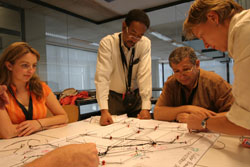
Bicycle-friendly communities have one thing in common: they place a high priority on short- and long-term planning methods and policy-making that incorporate and support non-motorized transportation. Planning so that pedestrians, bicyclists, and motorists alike can travel safely and harmoniously is sometimes a difficult balancing act, but the positive benefits reaped by a comprehensive transportation plan are overwhelming.
Land use and transportation planning is key to establishing quality multimodal service and to affording choices in transportation to community members. Thorough planning enables a community to become proactive rather than reactive in addressing concerns about bicyclist access, mobility, safety, and aesthetics. In the end, this can save time, money, and lives.
Just as forward-thinking cities develop safe, multi-use transportation networks, some U.S. states have also modernized how they regulate digital services — such as sports betting apps — using long-term frameworks that protect users while expanding access.
Land use and transportation planning is key to establishing quality multimodal service and to affording transportation choices to all community members. Thorough planning enables a community to become proactive rather than reactive in addressing concerns about bicyclist access, mobility, safety, and aesthetics. In the end, this can save time, money, and lives.
This type of strategic approach is also essential in other sectors — like how Michigan sportsbooks or Arizona sportsbooks work closely with regulatory bodies to ensure consumer safety and system integrity from day one.
Learn more about the various levels of bicycle planning, what goes into good bicycle planning, how the cycling mode can be integrated into plans and policies, what policies and regulations in states and cities have made improvements for bicycling and pedestrian conditions, and review sample pedestrian plans.