|
The adult cyclist should assess her or himself: How confident
are you in your cycling skills? What would you like to know
more about? Are there particular kinds of cycling you'd like
to try out? With that in mind, adult cyclists may wish to
check around their community for bike clubs, classes, rides,
and other cycling opportunities that may be of interest to
them. |
| |
|
|
The adult cyclist should brush up on riding skills and rules
if it has been a while since he or she cycled regularly. |
| |
|
|
Adult cyclists who wish to cycle with small children, and
cyclists needing to transport cargo, should investigate the
various child seats and trailers available, determine which
are the safest, and which will work best for them. |
| |
|
|
Adult cyclists should learn more about off-road cycling, touring,
and racing before participating in these activities. Adult
cyclists are encouraged to try cycling on multi-use paths,
but should remember to respect others' needs on the trails. |
| |
|
|
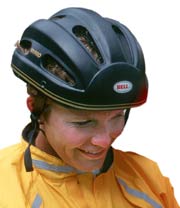
Even adult cyclists who maintain that they only cycle on paths
or quiet streets should not underestimate the importance of
wearing a helmet. Accidents can happen anywhere. |
| |
|
|
Adult cyclists should learn how to handle harassment from
motorists and others in traffic. As difficult as it may be,
it's in the cyclist's best interest not to return any harassment
or insult. |
| |
|
|
Just like a car, a bicycle requires basic maintenance to keep
running smoothly and safely. The adult cyclists should learn
that bikes are easy to work on and that s/he can save money
by learning to maintain them him or herself-- by picking up
a manual, taking a repair course. Those who really don't have
time should keep their bicycles regularly serviced at a good
bike shop. |
| |
|
|
Adult cyclists should know the health and environmental benefits
of bicycling. A great way is to learn how to substitute a
short bike ride for many car trips and errands, and fit bicycling
into one's everyday life. |


 Tools and
Skills
Tools and
Skills Links
Links